
Introduction
Success in NURS FPX 4045 Nursing Informatics requires more than completing assignments on time. Students must understand how technology supports patient care, communication, and healthcare decision-making. Many learners enter the course while balancing work, family, and academic responsibilities. As a result, they often search for solutions such as do my online course services to reduce academic pressure.
However, long-term success comes from building effective study habits and understanding course expectations. Nursing informatics combines clinical knowledge with technology concepts. Therefore, students need a structured approach that improves learning while maintaining academic performance. The right study strategies can increase confidence, strengthen critical thinking, and support better outcomes throughout the course.
Understanding the Purpose of NURS FPX 4045
NURS FPX 4045 focuses on the relationship between healthcare technology and nursing practice. Students explore how information systems improve patient care and organizational efficiency. The course encourages learners to evaluate digital tools used in modern healthcare settings. This knowledge prepares nurses for technology-driven environments.
The course also develops analytical thinking skills. Students learn to assess data, identify healthcare challenges, and recommend technology-based solutions. Moreover, they examine how informatics supports patient safety and quality improvement. These competencies remain valuable throughout a nursing career.
Connecting Informatics to Real Nursing Practice
Many students perform better when they connect theoretical concepts to workplace experiences. Nursing informatics becomes easier to understand when learners observe technology in clinical settings. Electronic documentation systems provide excellent examples of informatics in action. This connection makes course material more meaningful.
Students should reflect on technology used during patient care activities. They can identify how information systems improve communication and reduce errors. Furthermore, these observations create stronger discussion posts and assignment responses. Practical connections strengthen understanding and retention.
Recognizing Common Learning Challenges
Many learners struggle because informatics introduces unfamiliar technical concepts. Healthcare professionals often feel comfortable with patient care but less confident with technology topics. This gap creates anxiety during assignments and discussions. Understanding this challenge helps students prepare effectively.
Complex terminology can also slow progress. Students sometimes focus on memorization instead of understanding concepts. Consequently, they experience difficulty applying knowledge in assignments. A strategic study plan helps overcome these obstacles.
Building a Structured Study Schedule
A consistent schedule creates the foundation for academic success. Students should divide weekly tasks into manageable study sessions. Small learning blocks improve concentration and reduce mental fatigue. This approach supports long-term retention.
Many learners underestimate the time required for reading and assignment preparation. Therefore, they should review course requirements at the beginning of each week. Early planning reduces last-minute stress. It also creates opportunities for deeper learning.
Creating Weekly Learning Goals
Clear goals help students stay focused throughout the course. Each study session should include a specific objective. For example, learners may focus on reading, discussion preparation, or assignment research. Defined goals improve productivity.
Students should track their progress regularly. Weekly reviews highlight strengths and identify improvement areas. Moreover, goal tracking creates accountability and motivation. Consistent progress leads to stronger academic performance.
Managing Competing Responsibilities
Most nursing students balance education with professional obligations. Effective time management becomes essential in these situations. Learners should schedule study sessions during periods of high energy and concentration. Consistency produces better results than occasional intensive studying.
Digital interruptions often break concentration and slow learning progress. Students who protect dedicated study periods usually understand complex informatics concepts more effectively. This approach supports stronger assignment performance and consistent academic growth.
Developing Strong Reading Strategies
Course readings contain essential concepts that support assignments and discussions. Many students read large sections without active engagement. This approach often reduces comprehension and retention. Active reading produces better outcomes.
Learners should identify key concepts while reading. Taking brief notes improves understanding and recall. Furthermore, summarizing information in personal language strengthens learning. Active participation transforms reading into meaningful study.
Organizing Important Information
Effective organization helps students access information quickly. Notes should follow a consistent structure throughout the course. Categorizing topics improves review efficiency before assignments. Organized materials save valuable time.
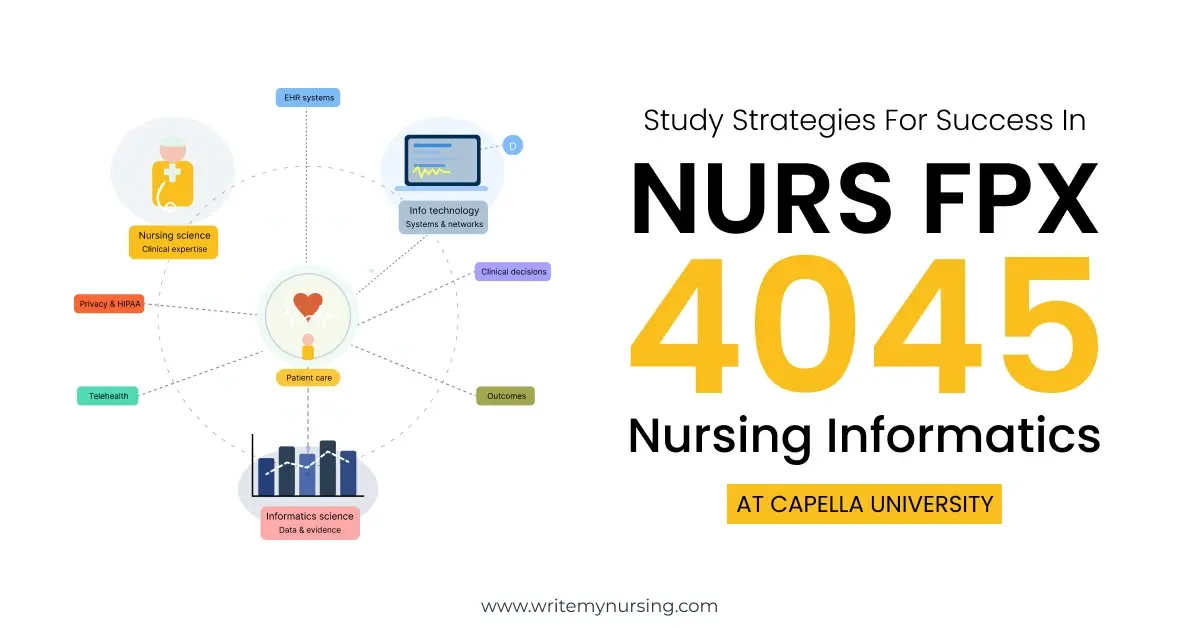
Students can create concept maps to connect related ideas and organize information logically. Visual mapping helps learners identify relationships between healthcare technology, data management, and patient care. In addition, the process encourages deeper analysis instead of simple memorization. As a result, students often develop a stronger understanding of complex informatics concepts.
Reviewing Material Consistently
Regular review prevents information loss. Students should revisit notes several times each week. Frequent exposure strengthens memory and understanding. Consistency produces better retention than cramming.
Short review sessions often outperform lengthy study marathons. Learners can reinforce concepts in manageable intervals. Consequently, they maintain knowledge more effectively. Continuous review supports long-term academic success.
Improving Assignment Performance
Assignments often require analysis rather than simple description. Students must demonstrate understanding and application of concepts. Strong preparation improves assignment quality significantly. Effective planning reduces unnecessary stress.
Learners should review grading criteria before starting any project. Understanding expectations guides research and writing decisions. Moreover, rubric analysis helps students prioritize important requirements. This approach increases scoring potential.
Breaking Large Projects into Smaller Tasks
Large assignments can feel overwhelming for many nursing students. Dividing projects into smaller sections creates a clearer path toward completion. Learners can focus on specific objectives while maintaining consistent quality throughout the project. Consequently, they often experience less stress and make steady academic progress.
Project breakdown also improves quality control. Learners can review each section carefully before submission. Furthermore, smaller tasks create a sense of progress. Motivation often increases when goals feel achievable.
Strengthening Critical Analysis Skills
Critical analysis often separates high-quality assignments from basic responses. Students should evaluate how healthcare technologies influence patient outcomes, communication processes, and clinical efficiency. Examining both benefits and potential challenges encourages more thoughtful discussion of informatics topics. As a result, learners can develop stronger arguments that demonstrate deeper understanding and professional judgment.
Learners should ask questions while reviewing information. They can explore benefits, risks, and implementation challenges. Additionally, comparing multiple perspectives strengthens reasoning. Strong analysis demonstrates advanced understanding.
Excelling in Online Discussions
Discussion participation represents an important component of many online nursing courses. Quality contributions demonstrate engagement and understanding. Students should approach discussions as learning opportunities. Thoughtful participation creates academic value.
Effective discussion posts go beyond agreement or summary. Learners should contribute original insights and practical observations. Furthermore, meaningful interaction supports collaborative learning. Active participation enhances overall course performance.
Writing Meaningful Responses
Strong responses add new perspectives to conversations. Students should expand discussions through examples and analysis. Brief comments often limit learning opportunities. Detailed contributions create greater impact.
Professional communication remains essential throughout discussions. Respectful interactions encourage productive exchanges. Moreover, thoughtful responses build confidence and credibility. Consistent participation supports academic growth.
Learning from Peer Perspectives
Classmates often bring diverse healthcare experiences to discussions. Exposure to different viewpoints broadens understanding. Students should read responses carefully and identify valuable insights. Collaborative learning enriches the educational experience.
Peer perspectives also reveal alternative problem-solving approaches. Understanding different viewpoints strengthens critical thinking. Consequently, learners develop more comprehensive knowledge. Diverse experiences create valuable learning opportunities.
Using Technology Effectively During the Course
Technology serves as both a subject and learning tool in NURS FPX 4045. Students should become comfortable using digital resources. Efficient technology use improves productivity and organization. Confidence grows through regular practice.
Many learning platforms include tools that support academic success. Calendar functions help manage deadlines effectively. Additionally, digital note-taking systems improve information organization. Technology can simplify many academic tasks.
Selecting Helpful Learning Resources
Students should focus on resources that support course objectives. Too many resources can create confusion and information overload. Carefully selected materials improve efficiency and understanding. Quality matters more than quantity.
Learners should evaluate resources critically. Relevant materials provide practical value and support learning goals. Furthermore, organized resource management saves time. Strategic selection improves academic outcomes.
Avoiding Digital Distractions
Technology can improve learning or reduce productivity. Social media and unnecessary notifications often interrupt concentration. Students should create distraction-free study environments. Focused attention improves learning efficiency.
Time management applications may help maintain discipline. Structured study sessions support consistent progress. In addition, reduced distractions improve information retention. Effective technology use requires intentional choices.
When Students Consider Academic Assistance
Some learners face significant challenges during demanding academic periods. Heavy workloads, professional commitments, and personal responsibilities create pressure. Consequently, students sometimes search for best online course takers to manage competing demands. These searches often reflect stress rather than lack of ability.
Students should first explore academic support options and time management strategies. Developing independent learning skills creates lasting benefits. Moreover, personal engagement improves knowledge retention and professional growth. Long-term success depends on active participation in learning.
Evaluating Support Options Carefully
Academic support can take many different forms throughout a nursing program. Study groups, tutoring sessions, and instructor feedback often help learners understand challenging concepts more effectively. These resources encourage skill development while allowing students to remain actively involved in their education. When used appropriately, they build confidence, strengthen understanding, and support long-term academic growth.
Learners should choose assistance that promotes knowledge development. Ethical support encourages growth and confidence. Furthermore, skill-building approaches prepare students for future challenges. Education remains most valuable when students engage actively.
Balancing Help and Personal Responsibility
Seeking guidance reflects good judgment when used appropriately. Students benefit from mentorship and constructive feedback. However, they must remain responsible for their learning journey. Personal effort drives meaningful academic development.
Many learners searching for class takers online actually need better planning systems. Improved organization often reduces academic stress significantly. Additionally, stronger study habits create sustainable success. Responsibility remains essential for professional preparation.
Long-Term Benefits of Mastering Nursing Informatics
Nursing informatics skills extend beyond course completion. Healthcare organizations increasingly depend on technology-driven processes. Nurses who understand informatics contribute more effectively to patient care initiatives. These competencies enhance professional opportunities.
Strong informatics knowledge also supports leadership development. Nurses often participate in technology implementation and quality improvement projects. Furthermore, data-driven decision-making strengthens clinical effectiveness. Informatics expertise remains valuable throughout a nursing career.
Supporting Patient Safety and Quality Improvement
Healthcare technology plays a major role in patient safety efforts. Informatics systems help identify risks and improve communication. Students who master these concepts gain practical advantages. Their knowledge supports safer healthcare delivery.
Quality improvement initiatives often rely on accurate data analysis. Nurses with informatics skills contribute valuable insights. Moreover, technology supports evidence-based decision-making. These capabilities improve patient outcomes.
Preparing for Future Career Growth
Healthcare technology continues to evolve rapidly. Nurses who adapt to change remain competitive in the workforce. Informatics education provides a foundation for future development. Continuous learning supports long-term success.
Professionals with strong technology skills often pursue advanced opportunities. Leadership and specialized roles frequently require informatics knowledge. Consequently, course success creates future advantages. Career growth depends on ongoing skill development.
Conclusion
Success in NURS FPX 4045 Nursing Informatics at Capella University requires planning, consistency, and active engagement. Students achieve stronger outcomes when they manage time effectively, participate in discussions, and develop analytical thinking skills. Although some learners search for options such as do my online course, class takers online, or pay for online class solutions, lasting success comes from building genuine knowledge and practical competence.
Nursing informatics influences modern healthcare in significant ways. Therefore, students should focus on understanding concepts rather than completing requirements alone. Strong study habits, critical thinking, and technology confidence create meaningful academic and professional benefits. Ultimately, these strategies help learners succeed in the course while preparing for future nursing leadership opportunities.
Frequently Asked Questions
Q1. What makes NURS FPX 4045 challenging for students?
Ans. The course combines nursing concepts with technology topics. Many students need time to develop confidence in informatics concepts.
Q2. How can students improve assignment quality in NURS FPX 4045?
Ans. Students should follow rubrics carefully and focus on critical analysis. Early planning also improves project quality.
Q3. Why do some students search for pay for online class services?
Ans. Heavy workloads and limited time often create academic pressure. Better planning can reduce these challenges.
Q4. How important are discussion posts in this course?
Ans. Discussion participation demonstrates understanding and supports collaborative learning. Strong contributions improve overall engagement.
Q5. What skills does NURS FPX 4045 develop?
Ans. The course strengthens technology literacy, data analysis, communication, and healthcare problem-solving skills.